Hold quantities and quality steady
To understand purchasing power through groceries, choose a small basket of items you buy regularly and record quantities as well as prices. Comparing a large pack with a smaller one can make an apparent price change misleading. Use unit prices or matched quantities when sizes differ.
A personal basket is a planning tool, not an official inflation index. It reflects your choices and shopping locations. Keep that limitation visible while using the comparison to decide whether the grocery allowance needs adjustment or the shopping plan needs to change.
Compare two versions of the same basket
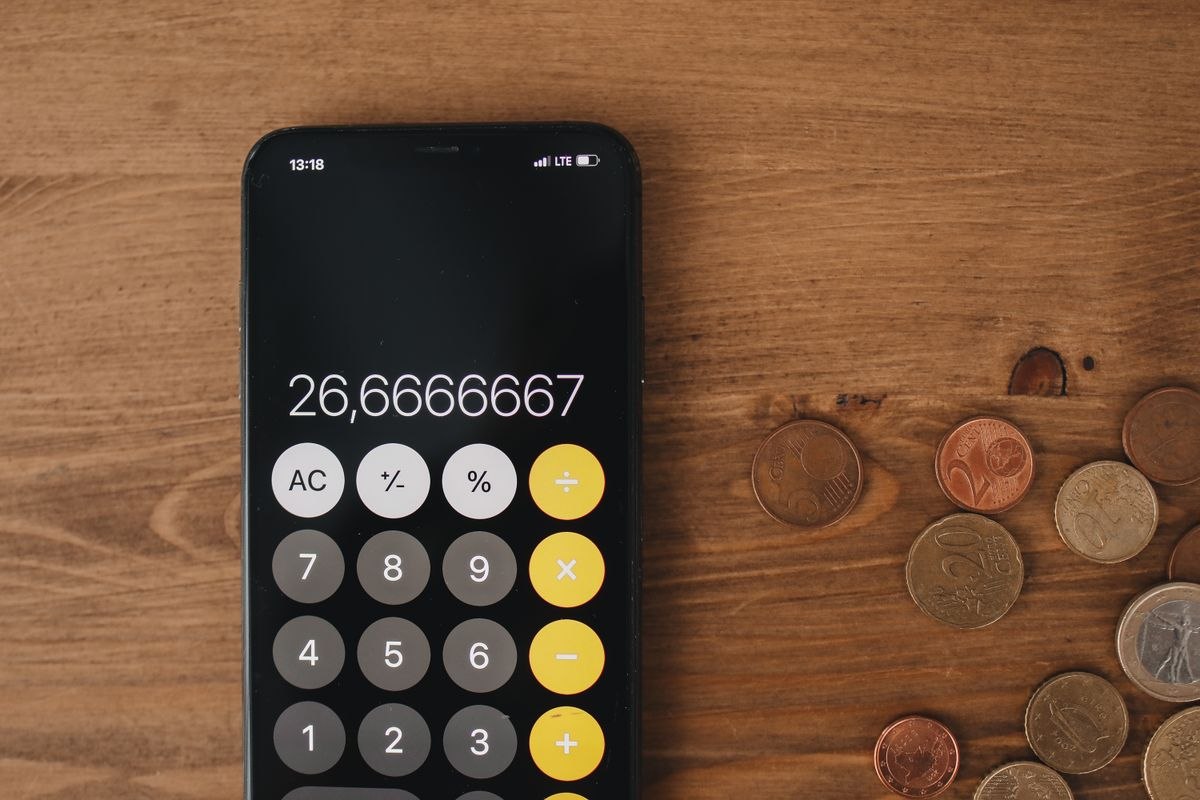
Suppose an illustrative basket previously cost $40 and the same quantities now cost $44. The increase is $4, or 10% of the original $40. A fixed $40 budget now buys about 90.91% of the former basket, because $40 divided by $44 is approximately 0.9091.
The 10% price increase and roughly 9.09% reduction in quantity affordable are different descriptions with different denominators. This calculation assumes the basket can be scaled proportionally; real products come in discrete packages, so the exact shopping result may differ. The example explains the relationship rather than predicting a checkout total.
Use substitutions without confusing the comparison
Switching brands or ingredients can help keep spending within the budget, but it changes the basket. Record that as a response to prices rather than proof that prices did not rise. Likewise, a temporary promotion may reduce one week's bill without representing the normal ongoing cost.
Review several ordinary shopping trips before changing a long-term allowance. Include household size and meals eaten away from home, since those can alter spending independently of prices. Keep a short receipt-based record that you can maintain. The aim is to see whether the same money supports the same practical needs, then make a deliberate adjustment in quantity, product choice or budget. Note the date and pack size on each observation, so an apparent increase can be checked against a reliable reference.