Ask which comparison is intended
Percentage points measure the direct difference between two percentages. Percentage change measures how large a change is relative to the starting value. Both can describe the same event accurately, but they answer different questions. Confusing them can make an ordinary rate movement sound much larger or smaller than it is.
When you read a headline or product notice, write down the old figure and the new figure first. Then identify whether the claim concerns the gap between rates or the change relative to the earlier rate. Never remove the base of comparison from a percentage calculation.
Calculate both versions
If a hypothetical rate rises from 2% to 3%, the direct difference is one percentage point. Relative to the original 2%, the increase is 1 divided by 2, or 50%. Calling it a 1% increase would imply a different new rate: 2% multiplied by 1.01 equals 2.02%.
For a simplified annual interest example on an unchanged $1,000 balance, 2% produces $20 and 3% produces $30. The additional $10 is 50% of the earlier $20 interest, while the rate moved by one percentage point. The dollar amounts make the two descriptions easier to reconcile.
Use careful wording in your own records
Write both the rate movement and its estimated money effect when updating a budget. If a fee rises from $4 to $5, its percentage increase is 25%, but it is still $1 more each time charged. A large relative change can have a modest cash effect when the starting amount is small.
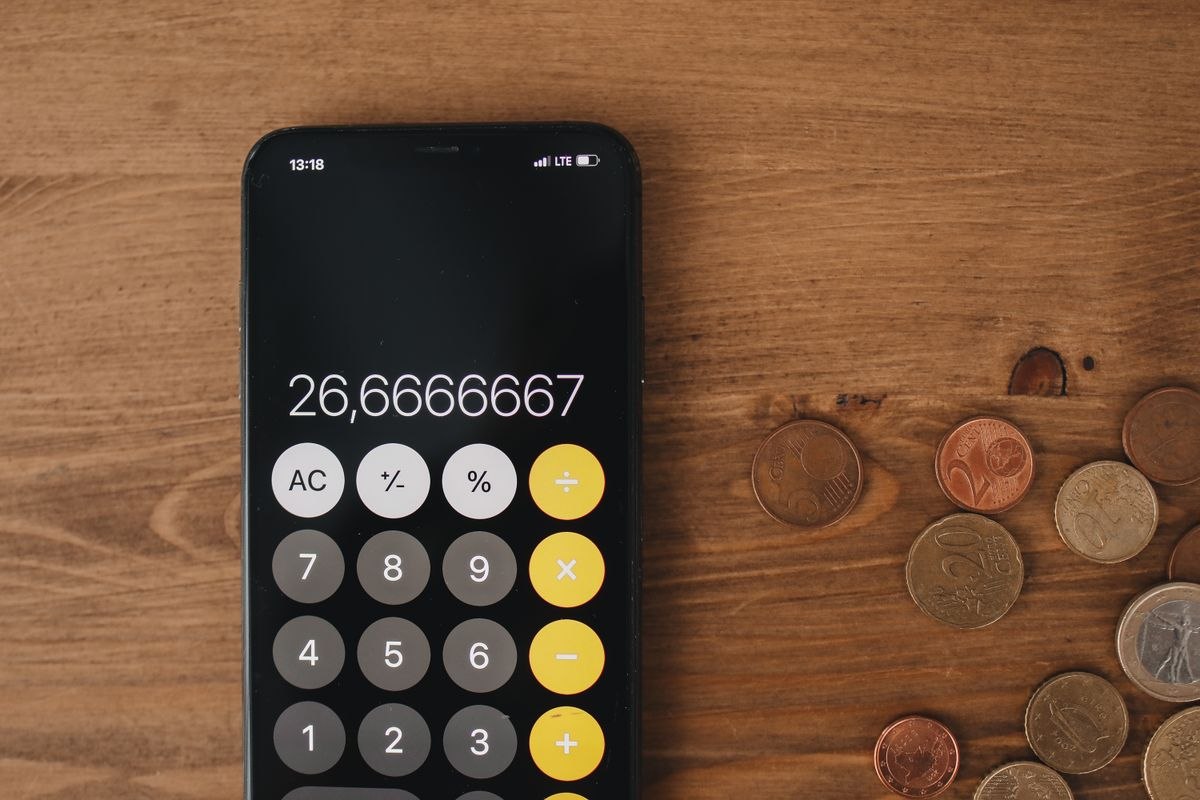
For a decrease, use the original value as the denominator too. A fall from 3% to 2% is one percentage point and about a 33.33% relative reduction. Reversing the journey does not produce the same percentage change, because the starting base has changed. Naming that base makes comparisons less ambiguous. When the starting value is zero, an ordinary percentage-change calculation is undefined; describe the absolute increase instead.