Gather a useful sample
Collect several weeks of grocery receipts, including small top-up trips. A single large shop may include enough supplies for weeks, while a quiet week may rely on food already at home. Use the sample to understand the pattern rather than declaring one receipt your ideal budget.
Separate non-food items if they materially affect the total. Cleaning products, toiletries and pet supplies can make a food category look expensive even when the meals themselves are economical. Keep the classification simple enough to repeat.
Calculate a starting point
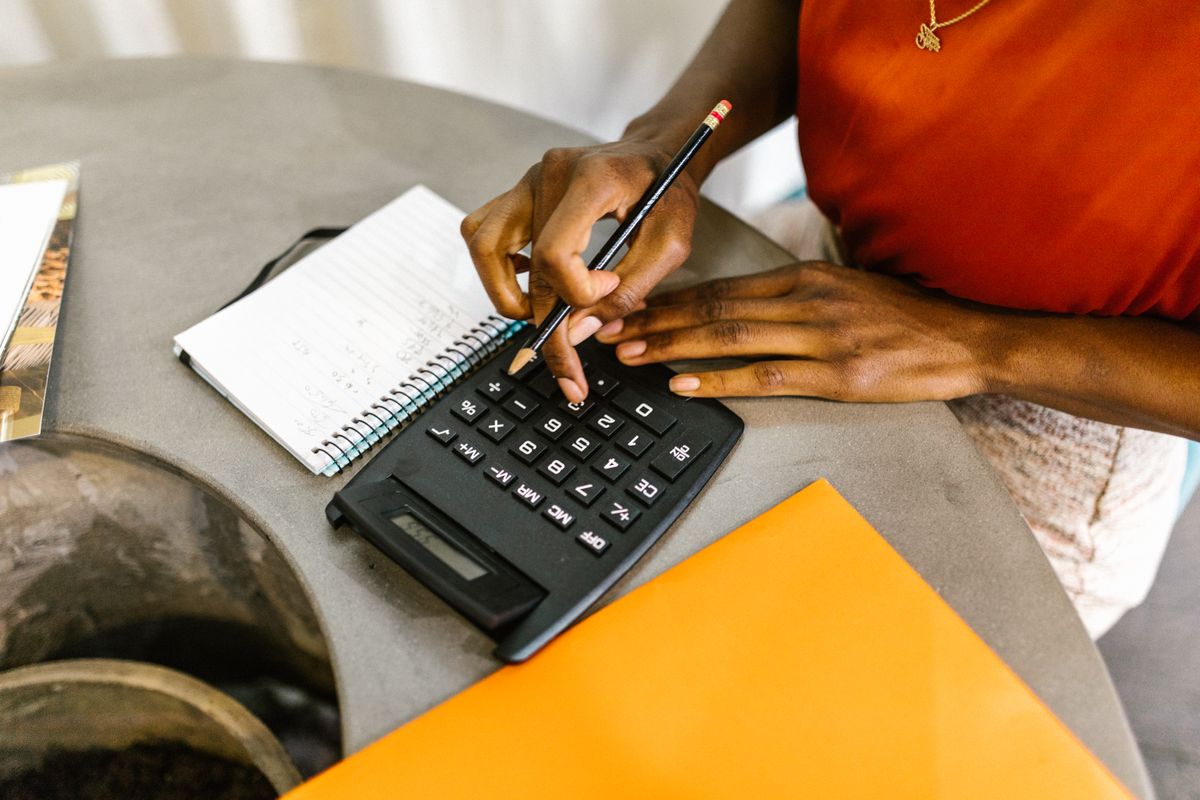
If four weeks of food purchases cost $72, $88, $79 and $81, the total is $320 and the weekly average is $80. An annualised monthly estimate is about $346.67 using 52 weeks divided by 12 months. This is different from assuming every month contains exactly four shopping weeks.
Adjust for known changes before using the number: a visiting relative, school holidays or more meals eaten at home can alter demand. Include enough for the food you realistically need. A target copied from another household may have little relevance to your circumstances.
Find one change worth testing
Look for a specific pattern, such as buying lunch ingredients and then also purchasing lunch elsewhere. Test a smaller batch or a simpler meal plan. Alternatively, check whether food is being discarded because packs are too large for the household.
After a few more shops, compare the result with the starting average. Count all related spending, including extra trips and replacement takeaways. A change has not saved the planned amount if the cost merely moved from groceries into another category. Keep improvements that fit your routine and revise those that depend on unrealistic effort.