Start with the route
Decide whether the bicycle is for commuting, occasional leisure or another regular purpose. Storage, distance, terrain and carrying needs help define a suitable option. A low purchase price does not make an unsuitable bicycle a good fit for the task.
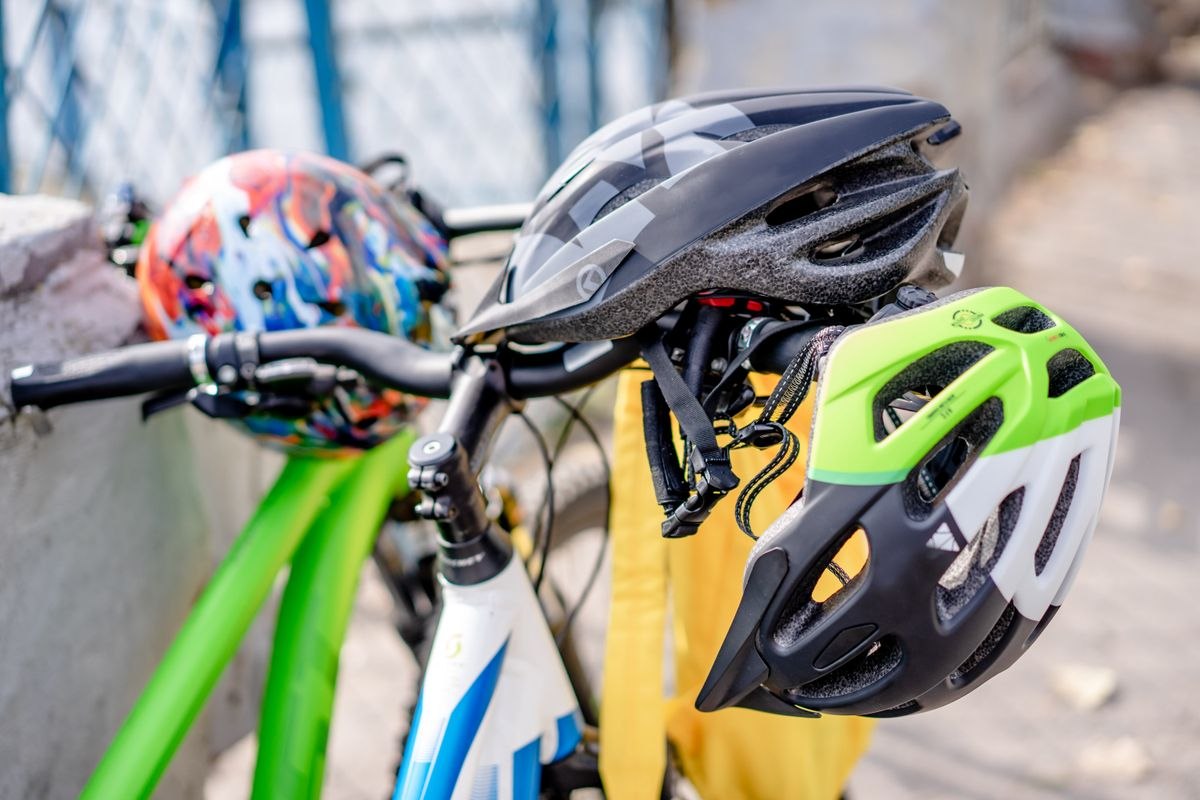
List necessary accessories and any initial servicing separately. Depending on your situation, this may include lights, a lock, suitable safety equipment and a way to carry belongings. Check applicable local requirements and fit rather than treating a generic accessory list as complete.
Save for the complete starting cost
For illustration, a bicycle at $300, a lock and lights at $60, and an initial service at $40 create a $400 target. With $100 saved, six contributions of $50 would cover the remainder. This is an example budget, not a current market price guide.
If comparing used options, allow for condition assessment and necessary repairs. A cheaper bicycle with an uncertain maintenance requirement may need a larger cash margin than a known serviceable one.
Keep claimed travel savings realistic
Count only journeys you reasonably expect to replace. Buying a bicycle does not automatically eliminate a transit pass, car insurance or every taxi journey. Some costs remain fixed even when a few trips change mode.
Once the purchase is made, retain a modest plan for maintenance and consumable parts based on actual use. Revisit the budget after the first months to see whether the bike is serving its intended purpose. A useful savings goal supports a practical transport choice rather than relying on optimistic claims about costs that may never disappear.