Understand where the money comes from
A round-up feature typically moves the difference between a purchase and a chosen rounded amount into savings. It uses your money; it is not an additional reward unless the provider explicitly offers one. Read the feature's actual terms, including fees and the timing of transfers.
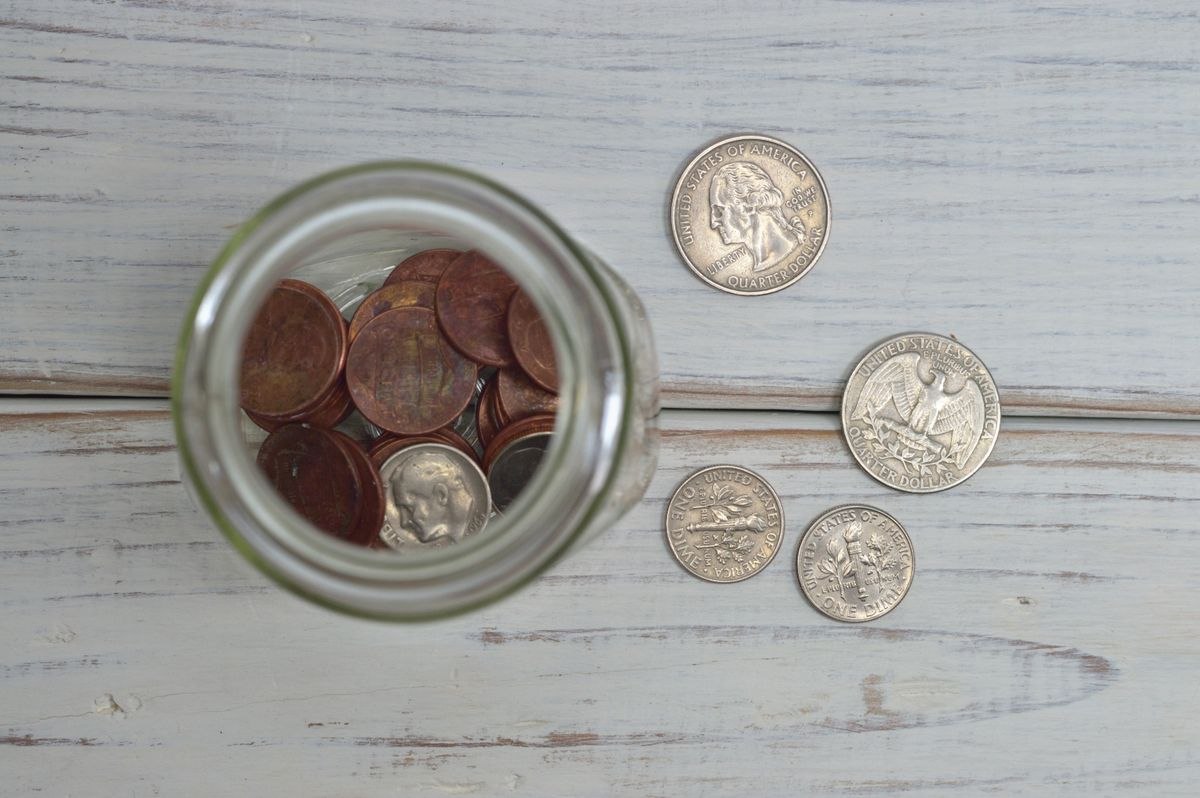
Physical loose change works similarly as a way to collect small existing amounts. The money was already yours, so avoid counting both the original cash withdrawal and the later deposit as new income.
Check the monthly scale
If twenty purchases generate average round-ups of $0.45, the total transferred is $9. That may be useful, but it is much smaller than a $50 monthly goal. Keep the remaining $41 visible if you intend to meet that target.
Conversely, a large number of transactions can make round-ups more substantial than expected. If the payment account is tight before payday, even small automatic transfers need to be included in the running balance.
Give the pot a purpose
Name a manageable goal and review the collected amount periodically. If the feature's cost or complexity exceeds its usefulness, a simple fixed transfer or a coin jar may fit better. Avoid making extra purchases merely to trigger a round-up; spending $8 to move a few cents into savings does not improve the overall position.
When the money is deposited or reassigned, update the goal tracker without counting it twice. Small savings habits can be satisfying when their scale is understood and they support, rather than distract from, the larger commitments in the budget.