Identify money that is genuinely uncommitted
Before sending an extra debt payment, separate cash already assigned to bills from money available for a new decision. The account balance alone cannot tell you the difference. Look ahead to the next reliable income date and include pending transactions, groceries, transport and less frequent bills due in that interval.
Then decide what accessible cushion you need for plausible shortfalls. There is no single amount that fits every household. Job stability, necessary travel and the availability of other support affect the decision. A cushion should have a purpose rather than simply being whatever remains after an ambitious repayment.
Calculate an affordable extra amount
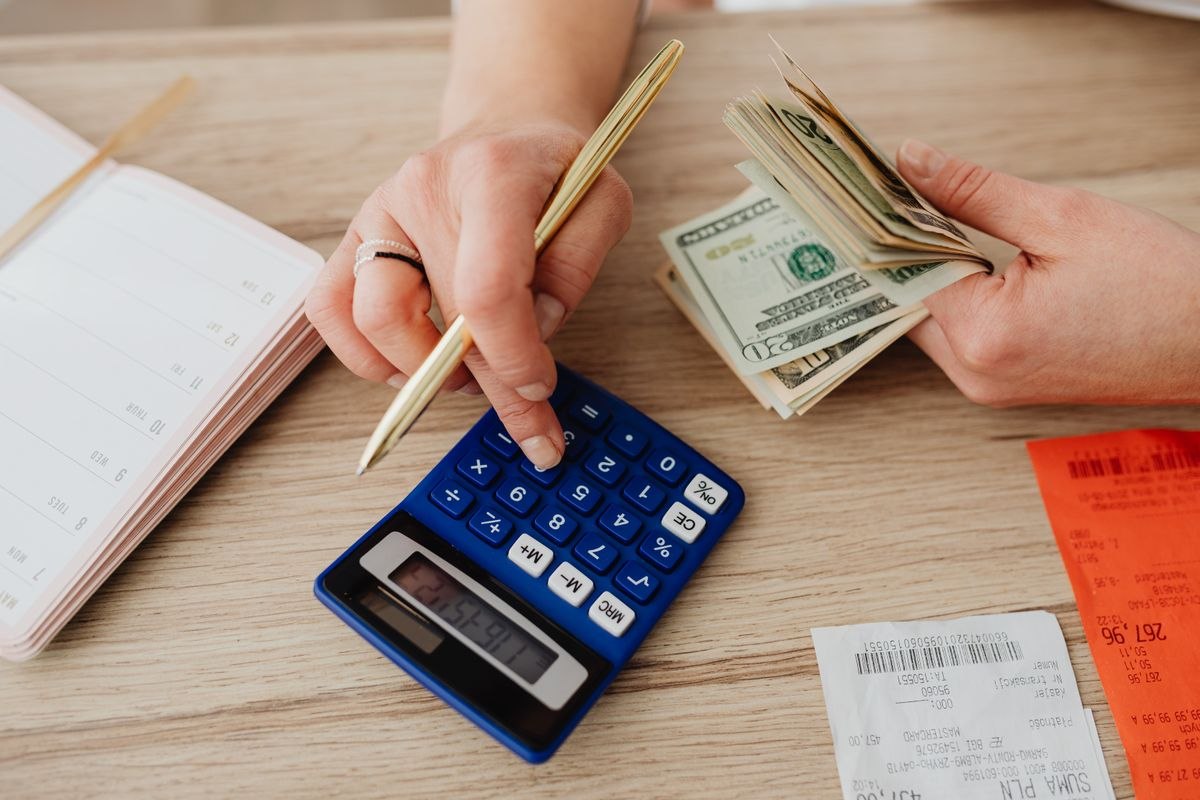
Imagine $900 is available today. Before the next payday, committed costs total $520 and you choose to preserve $250 as a cash buffer. The amount left for an extra repayment is $130: $900 minus $520 minus $250. Sending $380 instead would use the buffer, even though the bills still appeared covered.
These illustrative figures are a way to organise a decision, not a recommended buffer size. If an annual bill was missing from the $520, add it before transferring anything. Recheck the account after pending purchases settle so that an outdated balance does not create a false surplus.
Confirm that the transfer does the intended job
Ask the lender how to apply an extra payment to principal and whether any restriction or charge applies. Some payment systems treat an additional amount as an advance against future instalments. Retain the required regular payment in your budget until the lender confirms a different obligation.
Once the transfer posts, record the reduced balance and the cash still available. If your circumstances change next month, recalculate rather than repeating the extra amount automatically. Sustainable repayments are easier to maintain when the plan also accounts for the ordinary expenses that might otherwise push you back into borrowing. Consider splitting an uncertain surplus into smaller extra payments after bills settle, provided the lender permits that approach without charges.