Choose the experience first
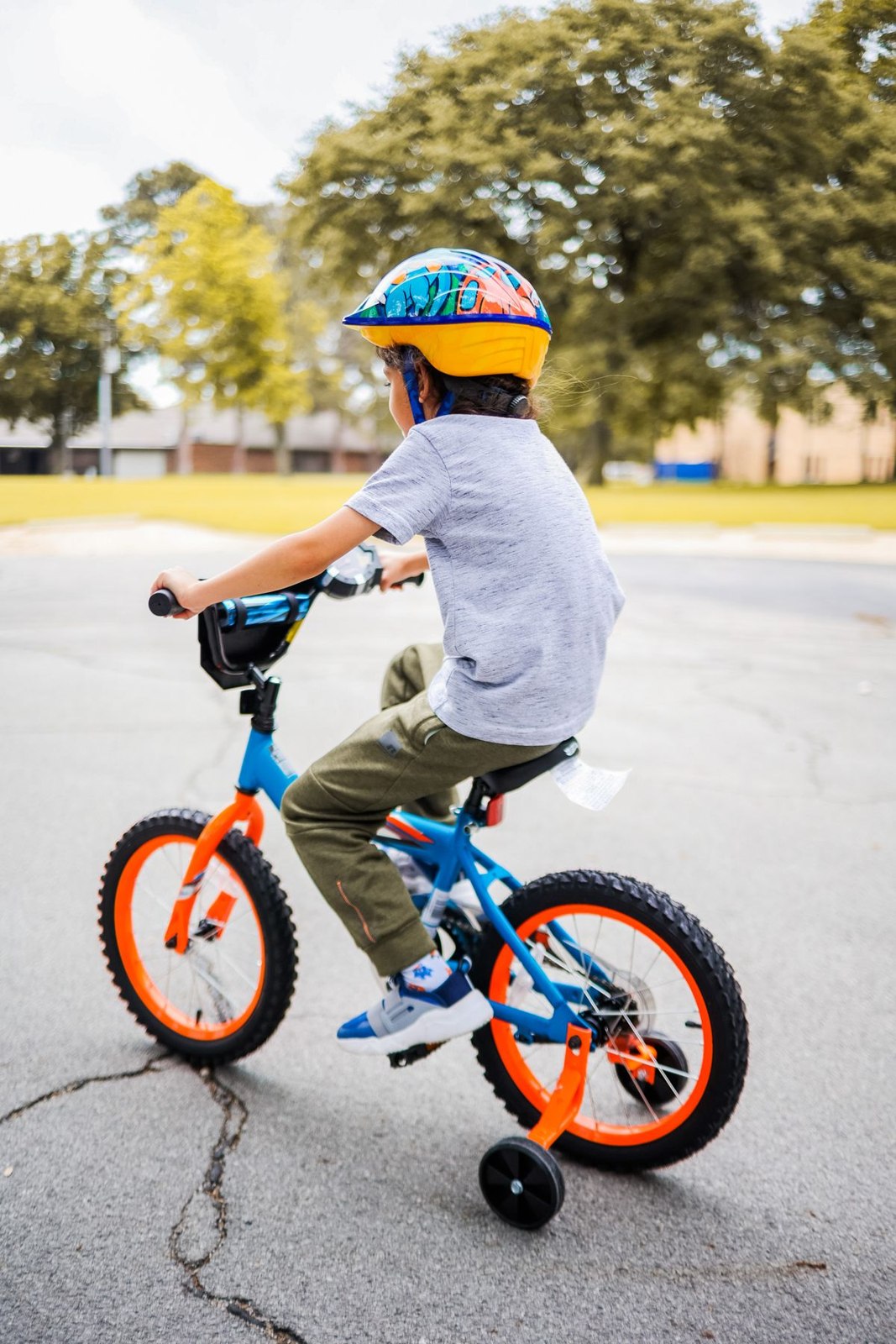
Decide what would make the outing enjoyable for the children involved: outdoor space, time with friends, a new activity or a familiar place. Check suitability, opening arrangements and access before building the budget. A free destination is not automatically a good fit for the children's ages, needs or available time.
Keep the day simple enough to manage. Several distant free activities may require more travel and food spending than one nearby paid activity. Look at the whole route and likely duration rather than selecting solely by admission price.
Price the surrounding costs
For an illustrative outing, admission is free but transport costs $12, food brought from home uses $8 of ingredients and a planned treat costs $6. The total is $26. Another activity with $10 admission and no transport cost could still be competitive if the other expenses are similar.
Set any optional spending before arrival. A specific amount for a treat or small activity is easier to explain than repeatedly making decisions beside a sales stand. Keep enough aside for the journey home and necessary food rather than letting early extras absorb the essential part of the allowance.
Prepare a workable backup
Check weather and practical facilities, including places to rest and eat. Have an alternative that fits the same spending limit if the main plan becomes unsuitable. A backup does not need to be a second expensive attraction; it needs to provide a manageable day without rushed purchases.
Pack what you realistically need while avoiding unnecessary equipment bought for one trip. Involve children in age appropriate choices, such as selecting between two treats within the planned amount. After the outing, record the expenses that surprised you. Those observations improve the next plan and help preserve money for the experiences the family actually enjoyed, rather than repeating costs that added little to the day.
If several adults attend, agree who is paying for each shared expense before arrival to avoid duplicate purchases.