Find the next renewal date
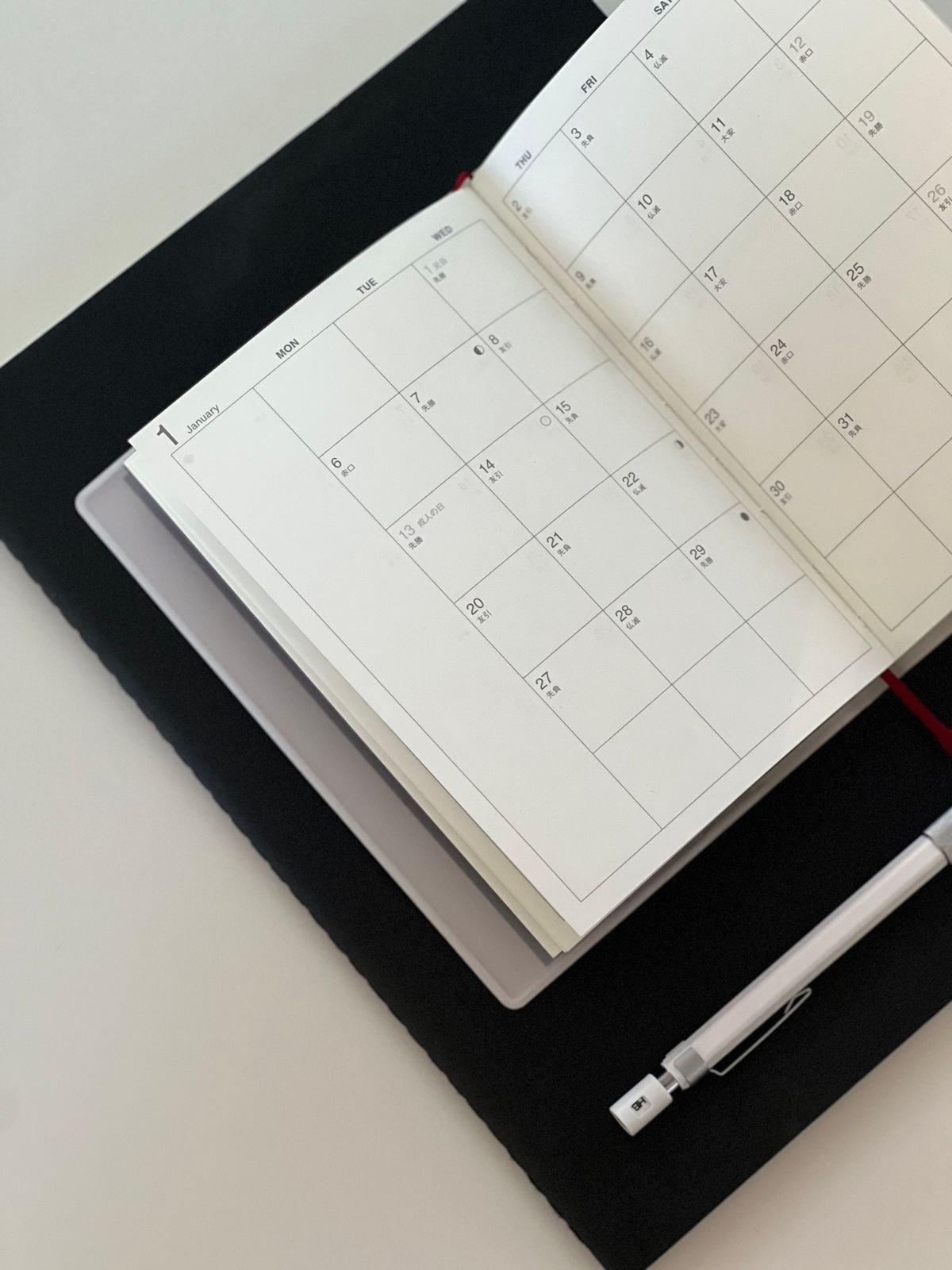
List every service billed yearly and check the account's renewal information. Record the current amount, next payment date and any cancellation deadline you can confirm. An old receipt may not show the next renewal price, so avoid assuming last year's charge is still the offer.
Separate services you want to keep from those you are merely used to paying for. Cancelling an unwanted renewal and saving for a wanted one are different decisions. Neither requires treating an annual charge as an emergency.
Divide by the months actually remaining
A $120 subscription costs the equivalent of $10 a month over a full year. But if renewal is three months away and nothing has been reserved, the immediate savings requirement is $40 a month. Use the time available, not the most comfortable denominator.
If $30 is already reserved, the remaining $90 requires $30 for each of those three months. After renewal, you can reset the plan using the new price and the next full cycle. Mark the money as reserved so it does not inflate your everyday spending allowance.
Check whether annual billing suits the cash flow
An annual discount can be worthwhile only if you want the service for that period and can manage the upfront payment. Compare total cost and flexibility, including cancellation and refund terms, rather than assuming the lowest monthly equivalent is always best.
Schedule a review before the renewal window. Check usage, alternatives and the actual price offered. If you cancel, remove the future bill from the calendar and deliberately reassign the reserve. Leaving the old transfer running without a purpose can make the budget confusing even when it is increasing savings.