Match the format to the problem
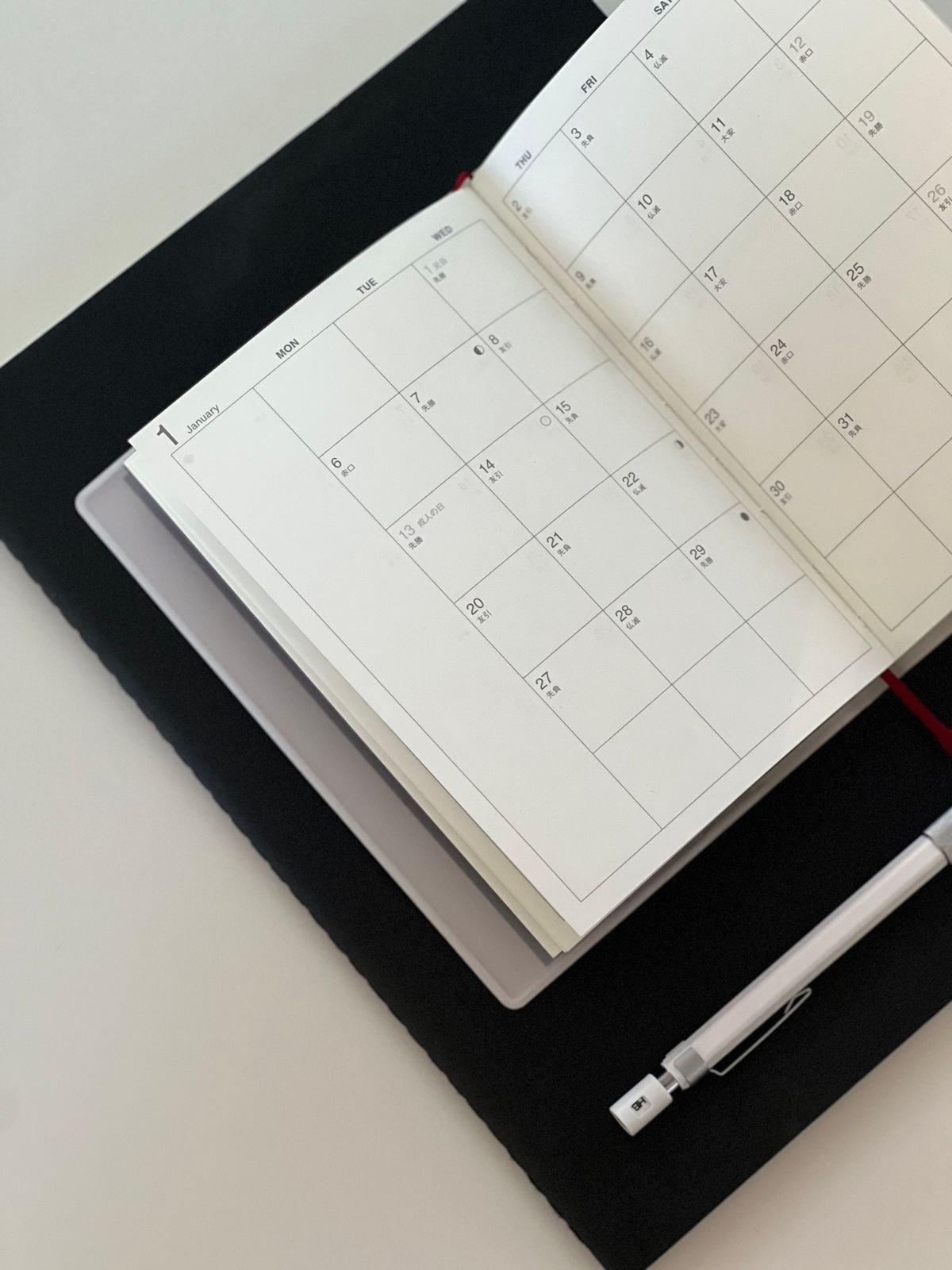
If timing causes trouble, a calendar may help more than a detailed category spreadsheet. If small purchases disappear from view, a short spending log may be the missing piece. If several people share bills, a shared record can matter more than advanced charts.
Start with the minimum information needed: income, commitments, reserves and available spending. Add detail when it answers a real question. More categories and colourful dashboards do not automatically produce a more useful plan.
Test the maintenance effort
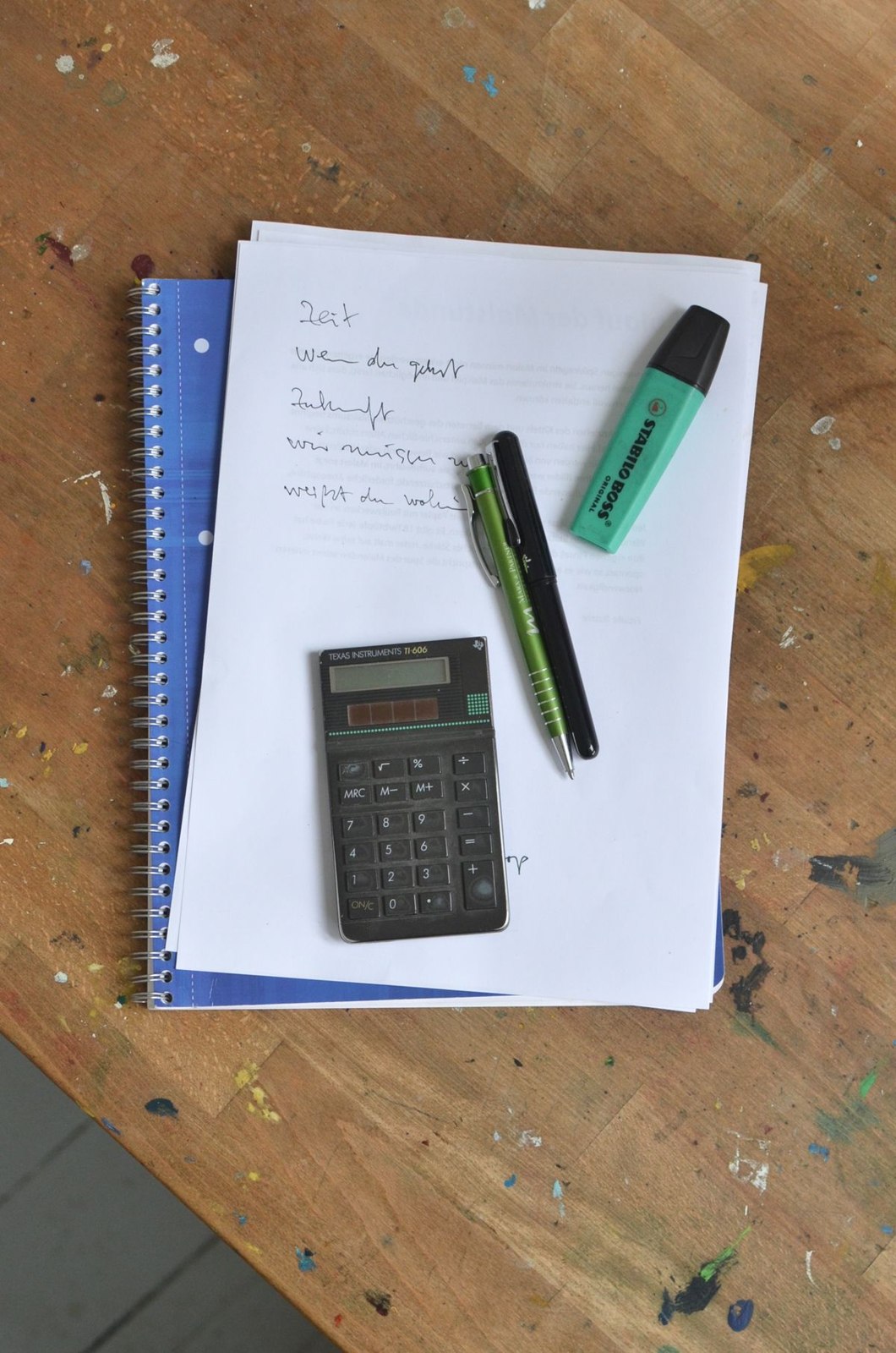
A paper notebook can work well if you regularly carry it. A spreadsheet can make arithmetic easier but still requires reliable entries. An app may organise transactions, yet its categories and account connections need checking. Consider privacy, access and any costs before choosing a tool.
For a simple trial, use one format for a month and record how often you update it. If a system takes twenty minutes each day and you only have ten minutes weekly, simplify it. The mismatch is between the method and your routine, not proof that budgeting is impossible.
Keep an exit route
Make sure important information can be kept or exported in a readable form where relevant. Avoid relying on a tool you cannot access when you need to check a bill. For a shared system, agree who maintains it and how the other person can see current figures.
At the end of the trial, ask whether the format helped prevent a surprise or supported a specific choice. Keep those useful parts and remove features that add work without changing decisions. A modest budget you actually consult is more informative than an elaborate one that has not been updated since the first enthusiastic evening.