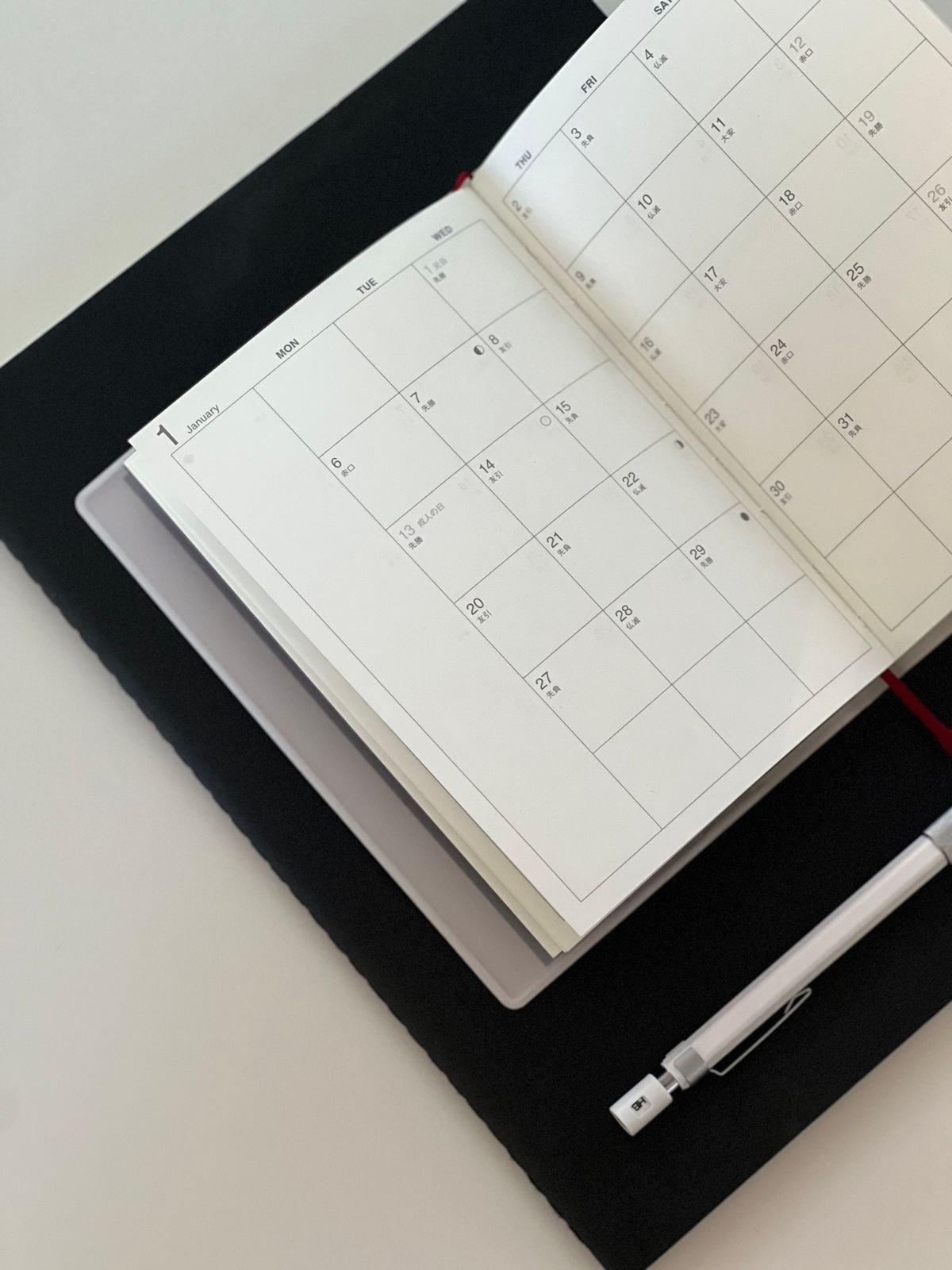
Build a shared calendar first
List both pay schedules and the household bills they need to cover. Keep the amounts that are actually available for shared costs distinct from personal commitments. Agree which payments belong in the joint plan before choosing how much each person transfers.
A monthly total may look sufficient while rent falls before either person's next deposit. Use a running balance for the shared bills pot, especially during the first month or after a payday change.
Assign transfers to real deposits
Imagine one person receives $1,800 on the last day of the month and another receives $900 every two weeks. If shared bills need $1,500 before the 10th, an equal monthly contribution rule alone does not show when that money will be available.
You might transfer part of the first income immediately and schedule the other contribution from the preceding fortnightly deposit. Record the arrangement so that carrying money across a month boundary does not look like an accidental overpayment. The appropriate split depends on the household agreement, not on the calendar itself.
Make changes visible to both people
Use a shared list containing the bill, due date, amount and person responsible. Avoid relying on one partner to remember every exception. If a bill changes, update the planned transfer before the automatic payment runs.
Decide how unused shared money will be treated: retained as a buffer, credited against next month's contributions or reassigned together. Personal purchases should not quietly consume a reserve intended for joint bills. A brief review after each pay cycle is often enough to keep both the contribution agreement and the payment dates aligned.