Build two lists
The ongoing list includes rent, utilities, food, transport and any recurring charges you have confirmed. The move-in list covers the deposit, first payment, delivery costs and essential household items. Ask what is included in the rent rather than assuming heating, water or internet are covered.
A refundable deposit is still money unavailable for daily spending while it is held. Treat it as a cash requirement at the move, even though it is different from a non-refundable purchase. Local rules and the tenancy agreement determine how deposits are handled.
Price a basic first week
You do not need to furnish every room immediately. Identify what allows you to sleep, cook a simple meal, clean and travel to work. Check what is already supplied before buying duplicate items. A kettle, bedding and a cleaning kit can be more urgent than a matching furniture set.
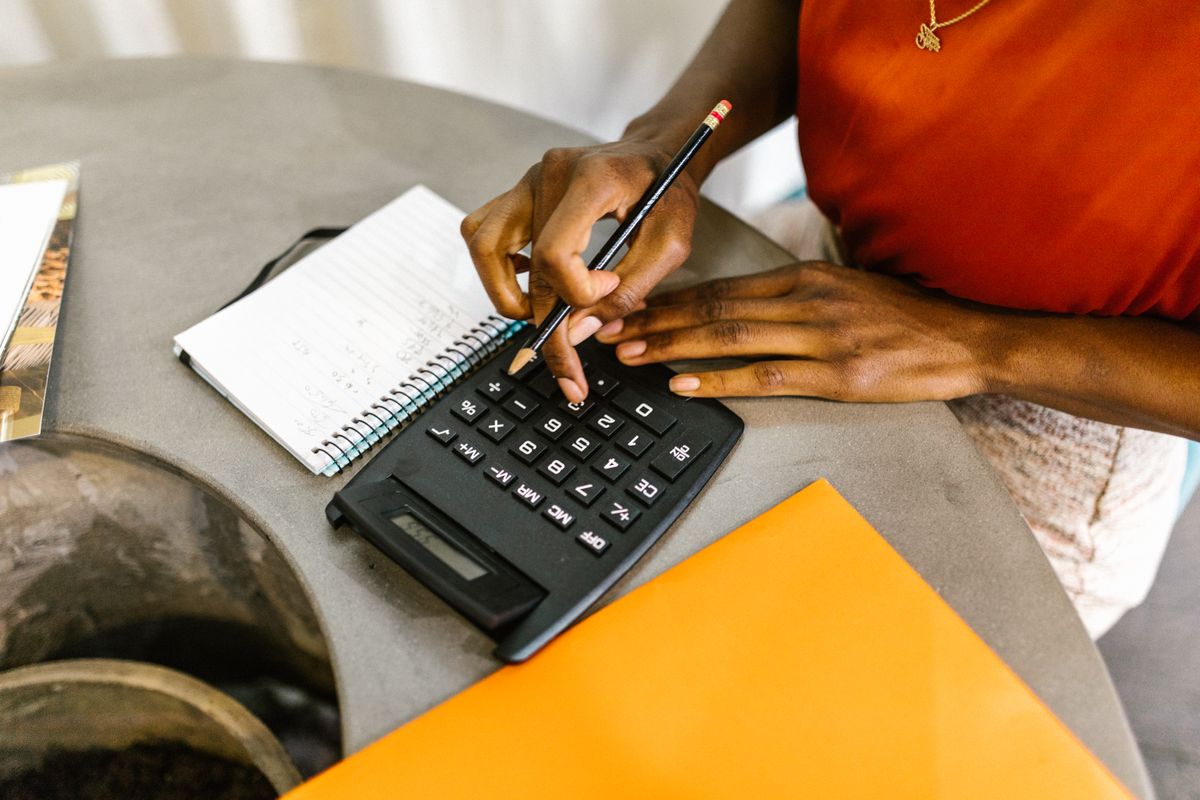
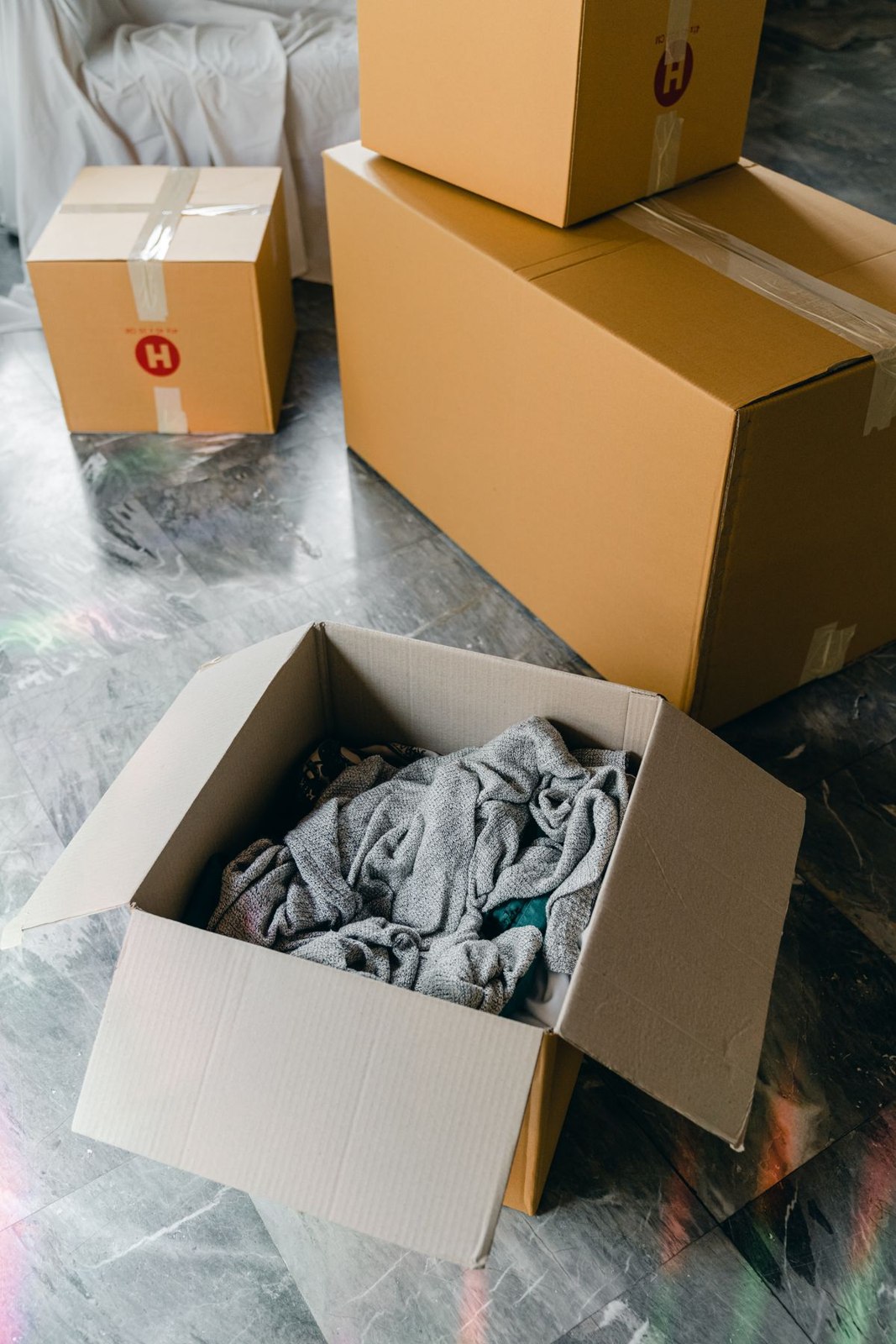
For illustration, a $900 first rent payment, $900 deposit, $180 move and $220 essentials require $2,200 upfront. That is separate from the food and transport money needed until your next income arrives. A list of only the rent and deposit would miss at least $400 in this example.
Test the ordinary month too
After the one-off costs, write a normal month using take-home income and realistic estimates. If the ongoing plan has no room for variable bills or replacing a broken item, reconsider optional setup purchases before spending the moving reserve.
Keep receipts and the tenancy paperwork together. Revisit utility estimates when the first actual bills arrive. Your initial budget is a forecast based on limited information; updating it is part of settling in, not evidence that the original plan failed.